Here is video footage that I took from a trip out to Sandy Hook in mid-May 2012. Temperatures were near 70 degrees with a nice breeze from the land to the ocean on this day. Took a tour of the river and bay side of the beach. The birds were stirred up quite a bit while a number of people were wind surfing. The weather was great. You can also see pictures from this trip in the GWC Picture Gallery.
La Niña Conditions Subsiding To ENSO Neutral Could Bring More Storms
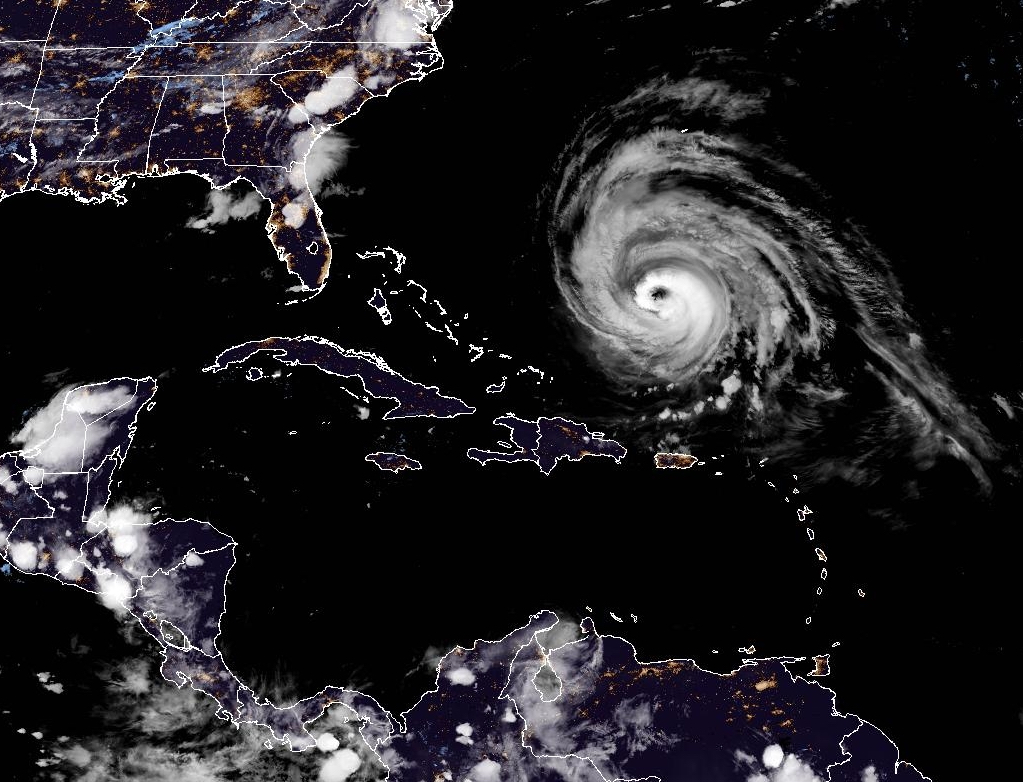
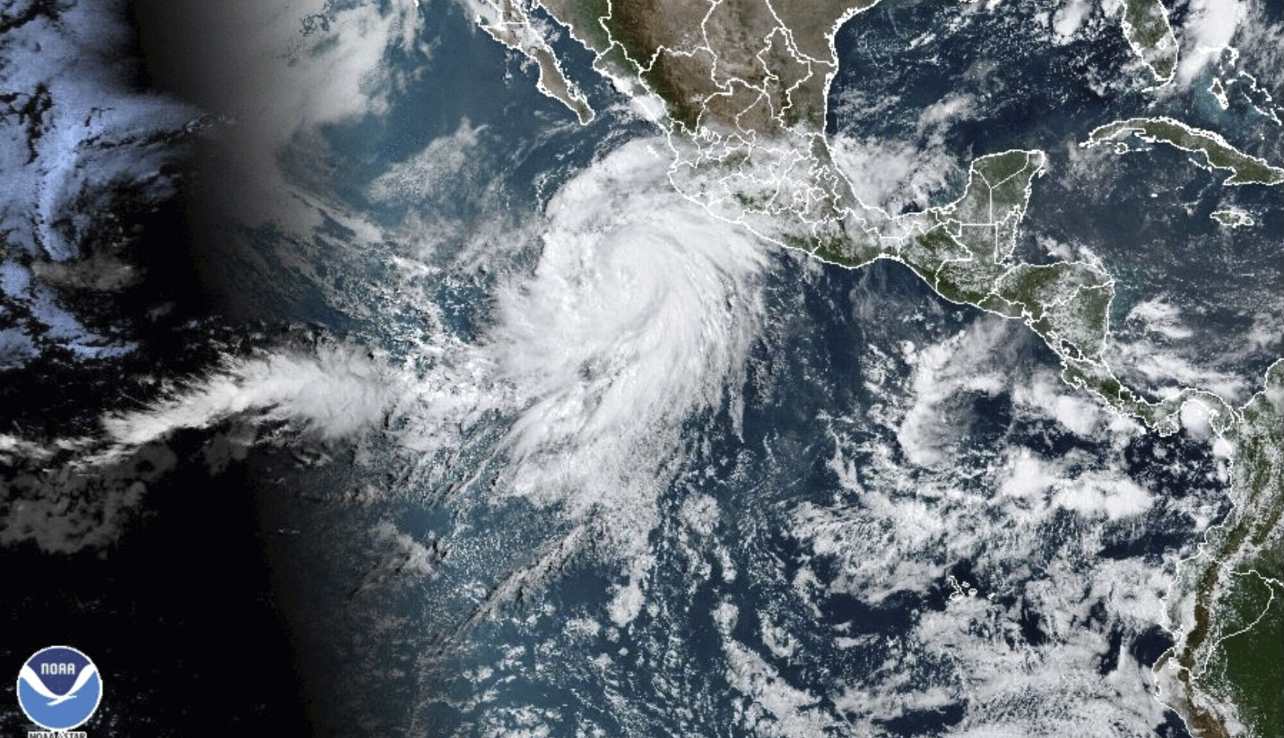
Hurricane Season in the Northern Hemisphere is approaching. The Atlantic Hurricane Season is now less than a month away, and the Eastern Pacific Season is going to be starting up in five days. While both seasons end on November 30th, the Eastern Pacific gets a two week jump on the Atlantic. The earlier start in the Eastern Pacific is based upon data collected on these storms since 1949. About 90 percent of storms in both the EPAC and Atlantic occur between the start and end dates for their seasons.
On average, the Eastern Pacific gets about 16 named storms per season. Of those 16 named storms, about 9 of them become hurricanes, and four of those intensify to major hurricane status. The Eastern Pacific Basin is the second most active basin in the world next to the Western Pacific. Originally, before the era of satellites, the Atlantic was thought of as the second most active basin, but forecasters were proven wrong once they were able to get another set of eyes in space.
Extremes for this region have been a maximum of 28 named storms, 16 hurricanes, and 10 major hurricanes while there has been a minimum of 8 named storms, 3 hurricanes, and no major hurricanes. A very important variable in the Eastern Pacific Hurricane Season forecast is the presence of either El Niño or La Niña. These phenomena have become very important ingredients in our global climate. El Niño occurs when sea surface temperatures in the Eastern Pacific are warmer than average. This climate shift usually coincides with Christmas time in South America, and that was why it was first called El Niño by Peruvian fishermen.
La Niña is when the opposite happens. Cooler than normal sea surface temperatures in the Eastern Pacific. When there is an El Niño that usually means a very active hurricane season in the EPAC. During La Niña, the Atlantic is usually busy. Why is that? Hurricanes thrive in warm water where the temperature is 80 degrees fahrenheit or better. Warm water is where these storms get their fuel. So, when an El Nino occurs, the sea surface temperatures are heated up to become very favorable for Eastern Pacific storms. The development of more storms in the EPAC then creates more of a shearing environment at the upper levels in the Atlantic, which inhibits Atlantic storms.
Conversely, the cooler water hinders storm development in the Eastern Pacific. The fewer EPAC storms, the less turbulence and wind shear in the upper levels of the atmosphere in the Altantic. As a result, Atlantic Hurricanes have less barriers to their development. With all of that said, the current state of the climate in the Eastern Pacific is in transition from La Niña to ENSO neutral. So, sea surface temperatures there are expected to be more normal during hurricane season. As a result, we could see a bit more activity than in recent years.
Historically, storms in the Eastern Pacific do not make direct impacts in the United States as hurricanes. There are exceptions though such as the 1858 San Diego Hurricane, and the 1939 Long Beach storm. The reason for this is because once you get north of Baja California in Mexico, the water temperatures are much cooler, and hinder the development of hurricanes. An example of this was in 1997 when Hurricane Linda became a monster Category Five storm in the Eastern Pacific. Back then, there was talk of the storm impacting Southern California, and there was file footage of the 1939 storm on television. However, the storm dissipated well to the South of San Diego.
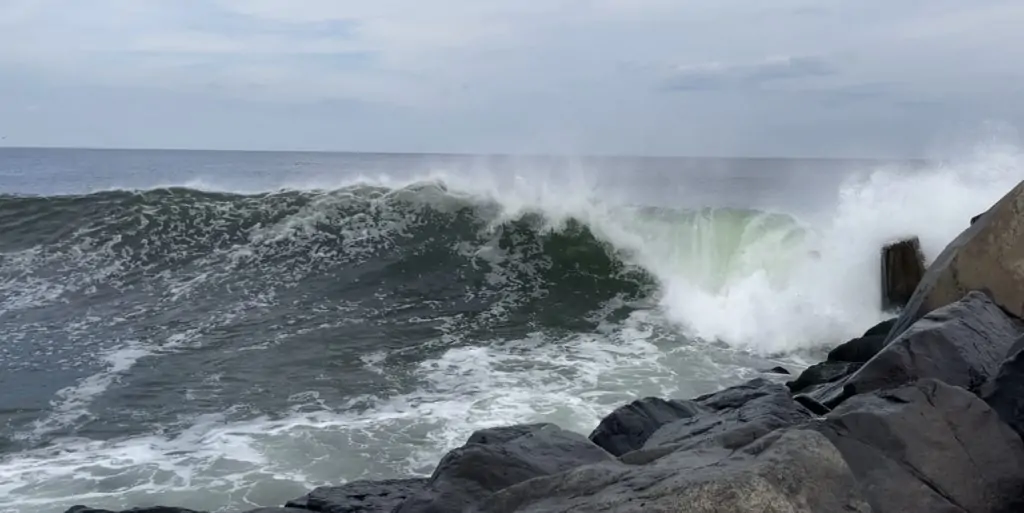
Impacts from Eastern Pacific storms in the United States is usually in the form of high surf along the California coast, and soaking rains for the Southwestern United States. However, arid conditions over the Desert Southwest can take the moisture out of those remnants. Hurricane Nora was an example of this, and was given the nickname, Hurricane No Rain.
The past several weeks have been a period of unsettled weather that has been good news for the Garden State, which was dealing with moderate drought for much of the first four months of 2012. However, recent forecasts, which called for more in the way of rain and severe weather have been off the mark.
First, there was the late season Nor’easter towards the end of April that was supposed to bring a good deal of rainfall to much of New Jersey. Flood watches were issued by the National Weather Service office in Mount Holly ahead of what was supposed to be anywhere between 2.5 and 3.5 inches. However, actual rainfall amounts fell well short of that.
While the storm did bring much needed rainfall, it brought about an inch less than expected in many locations. Move forward to late last week. A storm system was forecast to bring strong to severe thunderstorms into New Jersey as well as other parts of the Mid-Atlantic. The Weather Channel and Accu-Weather at WABC in New York did indicate storms would be significant, and could be the first significant outbreak of the year. The National Weather Service noted the possibility in a Hazardous Weather Outlook, but by Friday, the storms didn’t materialize in Central Jersey, and much of the inclement weather stayed to the south.
The next day, Saturday, the Accu-Weather forecast called for clouds in the early part of the day, but clearing in time for the appearance of the much anticipated Super Moon. Unfortunately, the clouds had other ideas, and stayed around not only past the scheduled 11:34 PM emergence of the largest moon of the year, but also well into Sunday. Furthermore, the forecasts for part of this week has some issues. Although the mid-week forecast was fairly accurate, it did indicate more significant rain on Wednesday, which did not happen.
I know that I’m being critical here, and understand that forecasts are not always perfect. I probably noticed these issues more than I usually would because I was anticipating the severe weather on Friday, and the Super Moon on Saturday. So, these forecasts had me scratching my head a bit, and I wanted to write about it.
Unsettled Conditions Lead To Rare Sunshower In Northwestern Middlesex County
After a prolonged period of gloomy and unsettled weather in New Jersey, a change began on Thursday. However, the transition still brought instability, which resulted in a rare treat in Northwestern Middlesex County.
For much of the day, conditions were quite breezy as the winds picked up in response to a drop in pressure, and a developing pressure gradient. The barometer had dropped to 29.49 inches of Hg (Mercury) by Thursday morning. The dip in pressure caused winds to pick up. At the GWC weather station in South Plainfield, winds gusted to 10 miles per hour with a sustained 10 minute average of 3 miles per hour.
To the east in Carteret, the winds were more substantial. The bayway city reported sustained winds of 17 miles per hour with gusts in upwards of 20 miles per hour. The pressure would eventually rise to 29.80 by 11:00 PM in the evening, and the winds waned. However, the change ushered in brought about some clouds and even some rain. A sunshower developed over Northwestern Middlesex County between 1:00 and 2:00 PM on Thursday. It brought 0.13 inches of rain to South Plainfield.
Starting out as a few sprinkles, the sunshower built up to quite a steady rain. The shower lasted about 10 to 15 minutes. The latest rain raised the monthly rainfall total to date to 1.27 inches. Yearly to date rainfall climbed to 6.55 inches. Following a dry spell in March and much of April, there has been 2.65 inches of rain in just the past several weeks.
When the rain subsided, the skies eventually cleared and the winds slackened off. Cooler and drier air moved in, and radiational cooling developed overnight as the temperature dropped to 43 degrees here in town.
Storm Also Ranked As Tenth Costliest Weather Disaster
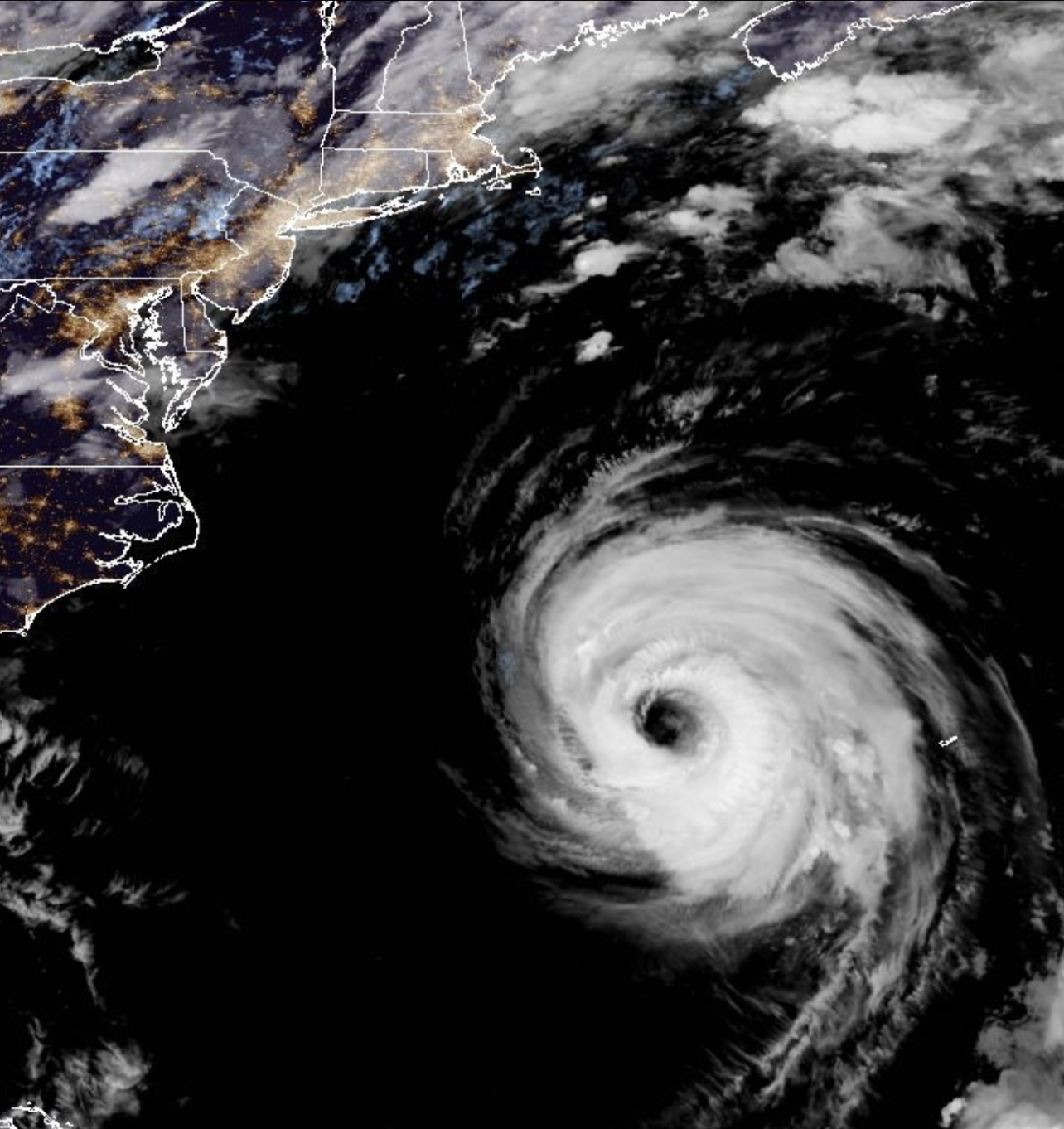
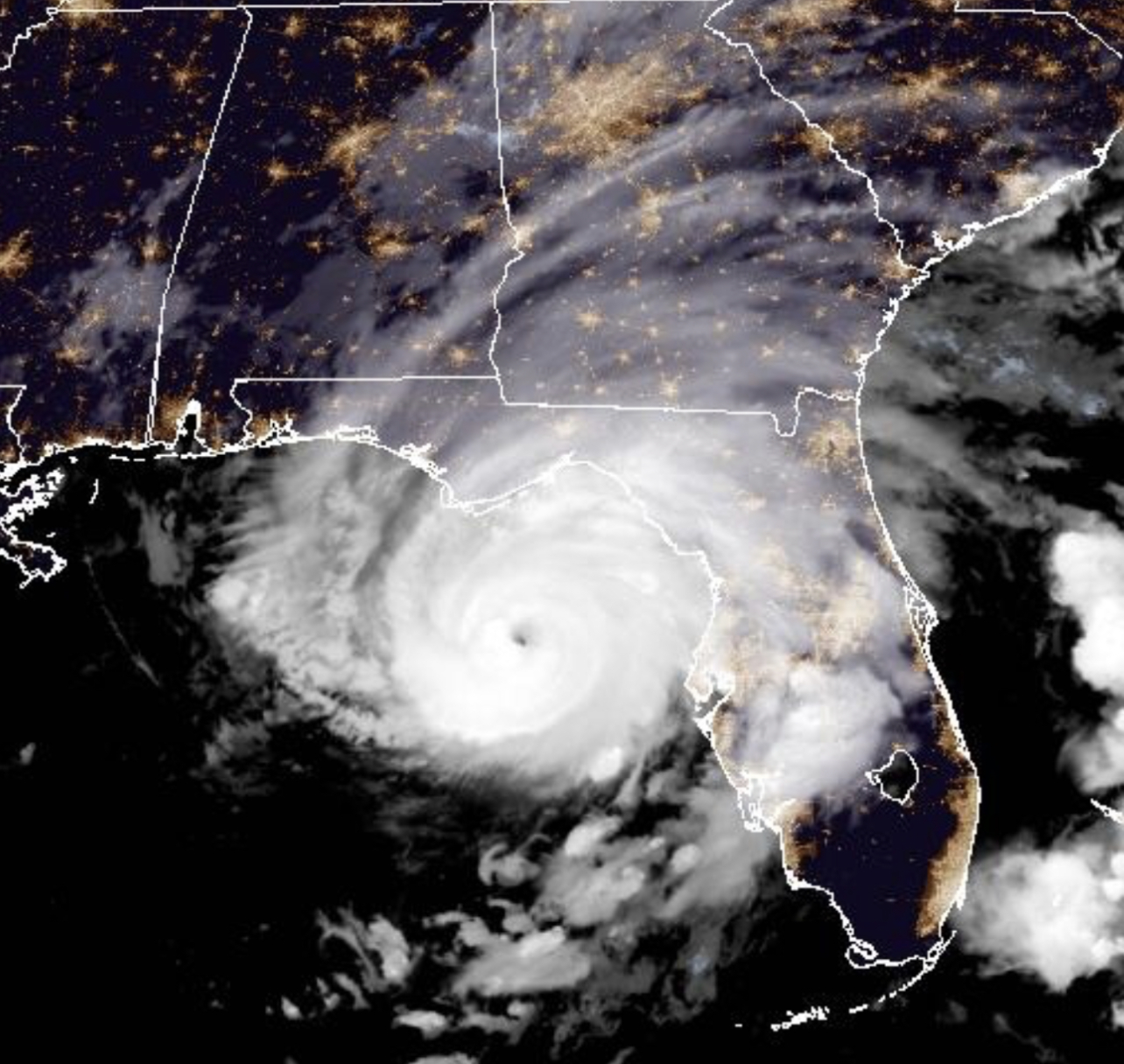
Hurricane Irene was not among the most powerful storms of all time in the Atlantic. However, the storm still packed a wallop, and it was felt over the most populated region of the United States. The storm could have been a lot worse, but it still ends up as one of the most costliest hurricanes and weather disasters of all time.
Causing just under $16 billion in damage, Irene now ranks in the top ten among hurricane and weather disasters. The only landfalling U.S. hurricane in 2011 now ranks as the seventh costliest hurricane of all time. Only Katrina (2005), Andrew (1992), Ike (2008), Wilma (2005), Ivan (2004), and Category One Hurricane of all time. The storm dumped over 5 inches of rain here in South Plainfield. Coupled with the 10 inches that fell prior to the storm, parts of Northwestern Middlesex County had the worst flooding in 40 years.
Some of the hardest hit states by the hurricane were North Carolina, New Jersey, and Vermont. Thanks to the devastation and deaths caused by the storm (48), Irene became the 76th storm to be retired since 1954.
Temperatures To Remain At Or Below Normal Until Mid-Week
While clouds developed during the afternoon into the early evening, there was no measurable rainfall in South Plainfield on Saturday. The brunt of the rain ended up hitting further south. High temperature on Saturday reached 60 degrees after bottoming out in the low 30s in the morning.
Temperatures were a bit warmer this morning. Upon waking up at about 7:30 AM, I found that the temperature was sitting at 45 degrees. The low temperature was 38 degrees. The NWS office in Mount Holly, New Jersey is calling for a high temperature of 67 degrees, which is about average for this time of year. Nothing but sunny skies for the next couple days.
There are a couple problems to look out for around the Garden State. With low humidities and gusty winds expected, the NWS has elevated the fire risk for this afternoon. Tonight, there will be another issue as clear skies and light winds will provide the optimal setting for radiational cooling. As a result, there is a Frost Advisory in effect from 2:00 AM to 8:00 AM on Monday morning. Temperatures are forecast to drop to the mid to upper 30s overnight.
Speaking of temperatures, the seven day forecast indicates that the mercury will be at or below normal until mid-week. Then, temperatures will be in the low to mid 70s, but there will be a chance of showers and thunderstorms on Wednesday and Thursday.
Here is video footage from a trip that I took to Washington Valley Park in Bridgewater, New Jersey in late April 2012. It was another nice day for a trip as the weather continued to be mostly dry during the early part of 2012. The more rugged terrain of this park included rock covered paths, and provided nice views of the water from the reservoir.
Windy Conditions Combining With Low Humidities To Rejuvenate Enhanced Fire Threat
Good afternoon everyone. As promised, the sun did return on Friday along with rather windy conditions, but the temperatures have been a bit cooler than expected. In my journal from yesterday, you may have read that a high temperature of 63 degrees was expected in Northwestern Middlesex County on Friday. As of right now, the high has only been about 56 degrees.
About an hour ago, the temperature only stood at 52 degrees. When I noticed that on my weather station’s display in the house, I had to put on my glasses because I was a bit in disbelief. Since then, the mercury has climbed to 55 degrees. The revised forecast from the National Weather Service calls for a high of only 57 this afternoon in South Plainfield. The wind has been the big story though.
At the weather station outside, winds have been sustained at the surface at 4 miles per hour with gusts up to 12 miles per hour. Those are much higher than the past couple of days when we have had very light winds or calm conditions. The breezy conditions are combining with low humidity in the area to enhance a fire risk, and that has caught the attention of the NWS as well. A Hazardous Weather Outlook for this enhanced fire danger has been issued for today along with the possibility of freezing temperatures tonight and Monday. The freeze conditions are expected outside the urban areas in places like the Pine Barrens.
Rain is possible for tomorrow with a 20 percent chance during the day increasing to a 50 percent chance by Saturday night. Temperatures will be a bit higher, but still below normal. As a matter of fact, temperatures are expected to remain below normal through the early part of next week.
Here is video footage I took during my trip to Manasquan Reservoir in Howell Township, located in Southern Monmouth County, New Jersey. It was my third trip to the Jersey Shore this spring, and third to a state or county reservoir. The Manasquan Reservoir was a nice site with paths all around the reservoir, and wildlife sanctuaries. Cloud formations near the reservoir added to the scenic view. You can also view pictures from this trip in an album on the Greg’s Weather Center Picture Gallery.
Storm Brings Much Needed Rain, But Forecasted Rainfall Amounts Fall Short
It has been a few days since the late season Nor’easter moved through Central Jersey as well as the Garden State, and I didn’t have a chance to reflect on it until the past couple days. I had made a couple posts about the storm over the weekend, but things got busy at work, and I wasn’t able to get back to talking about it until now.
The storm was a potent one. The barometric pressure here in South Plainfield dropped to 29.10 inches of Hg on Sunday night. It was the lowest pressure in Northwestern Middlesex County since Hurricane Irene back in late August 2011. The brunt of the storm came in after I came home from work on Sunday night. From about 7:30 PM to about midnight, the storm pummeled the Central Jersey area with heavy rain and gusty winds.
However, once that fierce wave of storminess passed, things gradually got back to normal. While conditions still remained unsettled for the next couple of days, the worst of the nor’easter was over. The storm’s fury didn’t linger much into Monday morning for the rush hour commute. While the forecast was fairly accurate in terms of the timing of the worst part of the storm, it was incorrect as far as how long it was going to stick around.
Consequently, rainfall amounts were lower than expected. The forecast indicated that there would be about 2.5 to 3.5 inches of rainfall from this system. When all the raindrops were tallied up though on Monday, South Plainfield only got 1.32 inches of rain. A bit further north in Basking Ridge, which is located in Northern Somerset County, there was only 1.47 inches of rain on Sunday. To the south in Hillsborough in Southern Somerset County, there was 2.23 inches of rain while in New Brunswick, the county seat in Middlesex County, there was 2.22 inches of rain on Sunday.
The positive is that we didn’t get any of the flooding projected. The negative was that the storm didn’t put as big a dent in the drought as first thought. Prior to the storm, New Jersey was running a rainfall deficit of 6 to 9 inches depending upon where you are located. The first measurable rainfall in April didn’t come to South Plainfield until the middle of last week. Normally, there is over 4 inches of rain on average in New Jersey during the month of April. Historically, the Garden State averages about 11 inches of rain over the first four months of the year. Before the storm, much of the state had only about 4 to 6 inches. South Plainfield had about 3.94 inches.
Much of the Garden State has been in a moderate drought with the lack of rain this spring on top of a below average winter in terms of snow. So, while 2.5 to 3.5 inches of rain would still left us in a rainfall deficit, it would have made a bigger dent. On the plus side though, the storm has brought in a weather pattern that has kept temperatures cooler than normal, and raised humidities somewhat, which has helped quell the fire threat for now.